
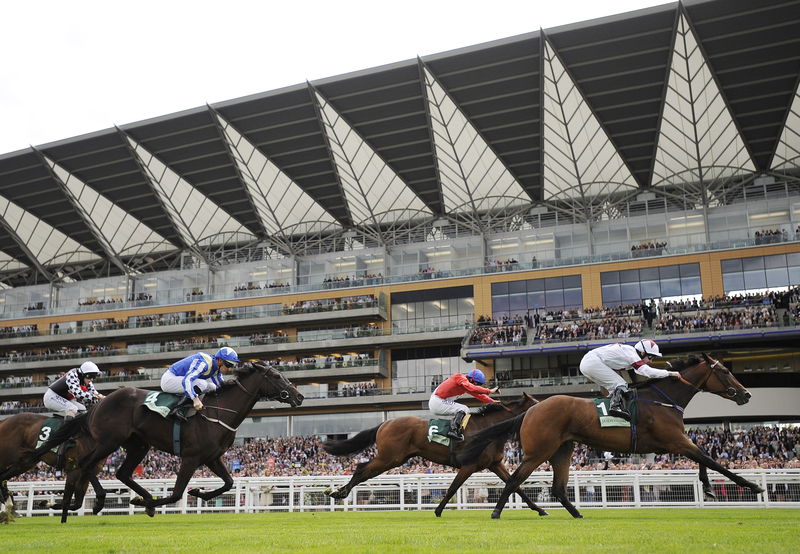
Royal Ascot has long been home to some of the most prestigious races in the world. Across five extraordinary days, the Royal Meeting showcases the very best equine talent on the global stage – but behind every Group 1 contest lies a story shaped by history, royalty and unforgettable performances.
Sign up and Royal Ascot and 500+ other tracks at Iron Bets! New players can earn up to a $300 deposit bonus! At Iron Bets look for Daily Promotions throughout the week! Iron Bets players also will receive great rewards, free past performances and more!
Bet on Royal Ascot at Iron Bets!



Here, we take a closer look at the races that define Royal Ascot…
Tuesday
The Queen Anne Stakes
One Mile I Four Year Olds & Upwards
Royal Ascot begins with a celebration of the monarch who established racing at Ascot in 1711. Founded in 1840, the Queen Anne Stakes has evolved into one of Europe’s leading tests for older milers.
Originally awarded a Group 3 status in 1971 before progressing to Group 2 in 1984, the race earned promotion to Group 1 level in 2003 following years of exceptional quality and elite performers.
Since becoming the opening race of the Royal Meeting in 2008, it has produced some unforgettable moments, including victories from Frankel and Baaeed.
The King Charles III Stakes
Five furlongs I Three Year Olds & Upwards
Now recognised as one of the world’s premier sprint races, the King Charles III Stakes has undergone several transformations since its origins in 1837.
Originally run as the Stand Plate, the race evolved through various names and formats before becoming the King’s Stand Plate in 1901. In 2008 it was promoted to Group 1 status and has become synonymous with international success stories, including Lady Aurelia winning for America in 2017, and then Nature Strip in 2022 and Asfoora in 2024 for Australia.
The race was renamed the King Charles III Stakes in 2024.
The St James’s Palace Stakes
One Mile I Three Year Old Colts
Named after the Tudor royal residence, the St James’s Palace Stakes was first run in 1834, when Derby winner Plenipotentiary claimed victory in a walkover.
This race features the best male milers from the Classic generation, often attracting horses that have run in the British, French and Irish 2,000 Guineas. Elevated to Group 1 status in 1988, it has since crowned some of the sport’s most exceptional milers, including Frankel, Kingman and Palace Pier.
Wednesday
The Prince of Wales’s Stakes
One mile, two furlongs I Four Year Olds & Upwards
First staged in 1862 and named after the son of Queen Victoria (later to become King Edward VII), the Prince of Wales’s Stakes has become one of Royal Ascot’s headline middle-distance contests.
Originally run over a mile and five furlongs, the race was removed from the calendar between 1946 and 1968 before returning ahead of the Prince of Wales’s investiture in 1969.
Elevated to Group 1 status in 2000 and restricted to four-year-olds and upwards, the race is now worth £1 million in prize money and regularly attracts some of the world’s leading middle-distance performers, with recent winners including Auguste Rodin and Ombudsman.
Thursday
The Gold Cup
Two miles, four furlongs I Four Year Olds & Upwards
Few races in world racing carry the history and prestige of the Gold Cup. First run in 1807, it remains the oldest and one of the most celebrated contests at Royal Ascot.
Run over a demanding staying distance of two and a half miles, the race has become the ultimate test of stamina. Over the decades, legendary names have cemented their place in racing history through this race, from Sagaro and Stradivarius with three victories apiece, to the incomparable Yeats, whose four consecutive victories remain unmatched.
In 2013, Estimate delivered one of the most emotional moments in Royal Ascot history when becoming the first horse owned by a reigning monarch to win the race for Queen Elizabeth II.
Friday
The Commonwealth Cup
Six furlongs I Three Year Olds Colts & Fillies
One of Royal Ascot’s newest additions, the Commonwealth Cup was introduced in 2015 to strengthen opportunities for elite three-year-old sprinters across Europe.
Despite its relatively short history, the race has quickly established itself as one of the highlights of the week, producing top-class winners such as Muhaarar, Advertise and Shaquille.
The Coronation Stakes
One mile I Three Year Old Fillies
First run in 1840 to commemorate the coronation of Queen Victoria, the Coronation Stakes has long been regarded as one of the premier races for three-year-old fillies.
Frequently attracting winners from the British, Irish and French 1,000 Guineas, as well as some of the top American fillies. It was promoted to Group 1 level in 1988 and has produced standout performances from horses such as Winter, Alpha Centauri and Tahiyra.
Saturday
The Queen Elizabeth II Jubilee Stakes
Six furlongs I Four Year Olds & Upwards
Royal Ascot’s final Group 1 race is also one of its most prestigious sprint contests. First run in 1868 as the Cork and Orrery Stakes, the race was renamed in 2002 to celebrate Queen Elizabeth II’s Golden Jubilee and simultaneously elevated to Group 1 level.
In 2023 it was permanently renamed in memory of Queen Elizabeth II, as the Queen Elizabeth II Jubilee Stakes.
Now worth £1 million in prize money, the race regularly attracts the world’s leading sprinters and has been won by stars including Black Caviar, Blue Point and Lazzat.
Together, these races form the beating heart of Royal Ascot. Some honour royalty, others celebrate sporting excellence, but all have helped shape the Royal Meeting into one of the most prestigious events in global racing.